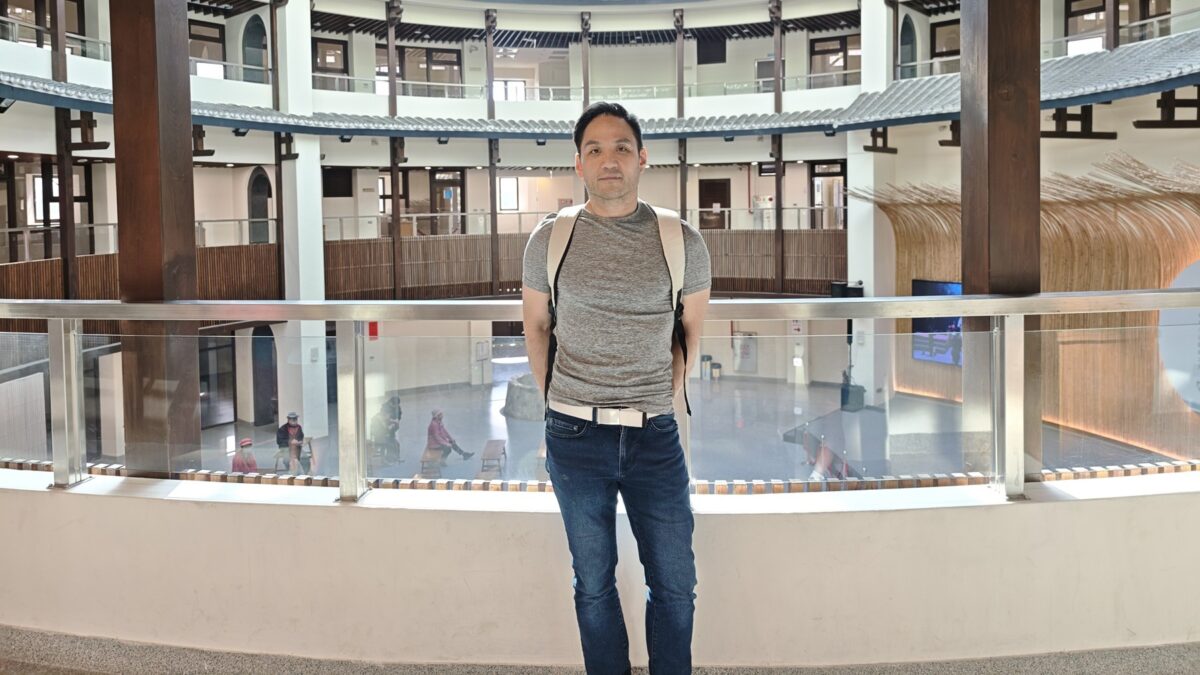
And soon I will as well
Pretty much everything advanced in the world has a semiconductor chip in it.
And the world’s largest and most advanced semiconductor foundry is Taiwan Semiconductor Manufacturing Company (TSMC), which is headquartered in – what used to be a sleepy little town called – Hsinchu, Taiwan.
Pretty much spent every other summer there as a kid.

The day after the Firecracker and I got hitched, I immediately took a plane ride to Taiwan.
By the time you read this entry, we would already be starting our trip back home to America so it’s gonna be a bit outta order, but I wanted to tell you this little story first to set the whole thing up.
The last time I was in Taiwan was Monday, May 8, 2000, for a business trip, 25 years ago.
Purely by coincidence, my dad was there for the first time in 30 years because it was his turn to sweep the family grave – which is a Chinese tradition.
That meant that the last time he had been home was 1970.
I’d not gone home to Taiwan for a host of reasons, which we don’t need to get into right now.
Before you knew it, a quarter-of-a-century passed.
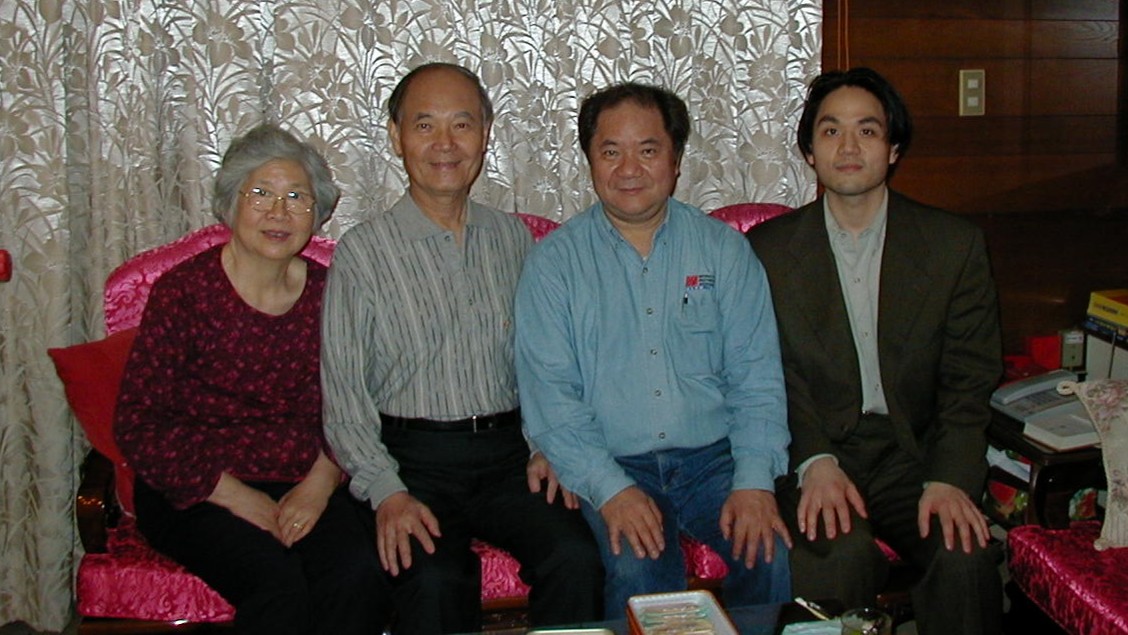
In any case, I know exactly two Chinese poems by heart.
One of them was written by a fella named He Zhizhang, sometime between 659 and 744 CE, called Returning to My Hometown.
You can look up the Chinese version, but the translation roughly goes something like this:
I was young when I left, old when I returned.
My accent’s the same but my hair’s thinned and grayed.
Kids from my old hometown don’t know who I am.
They laugh and ask, “Stranger, where’re you come from?”
It’s a lot more poignant in the original Chinese (and rhymes, to boot).
But – at least the way my dad explained it to me – the poem tells a story of a fella that left his hometown to make his fortune and returns home only to find that his home isn’t his home anymore.
Yeah, it kinda looks like his home but it also kinda doesn’t.
Just like him, he kinda looks the same but also kinda doesn’t.
And when he was there as a kid, everyone knew his name.
Now, he’s a stranger in the town that he knew like the back of his hand – to the point that the little kids now run up to him and laugh and point, “Check out this weird stranger who’s not from around here.”
And the town is a stranger to him.
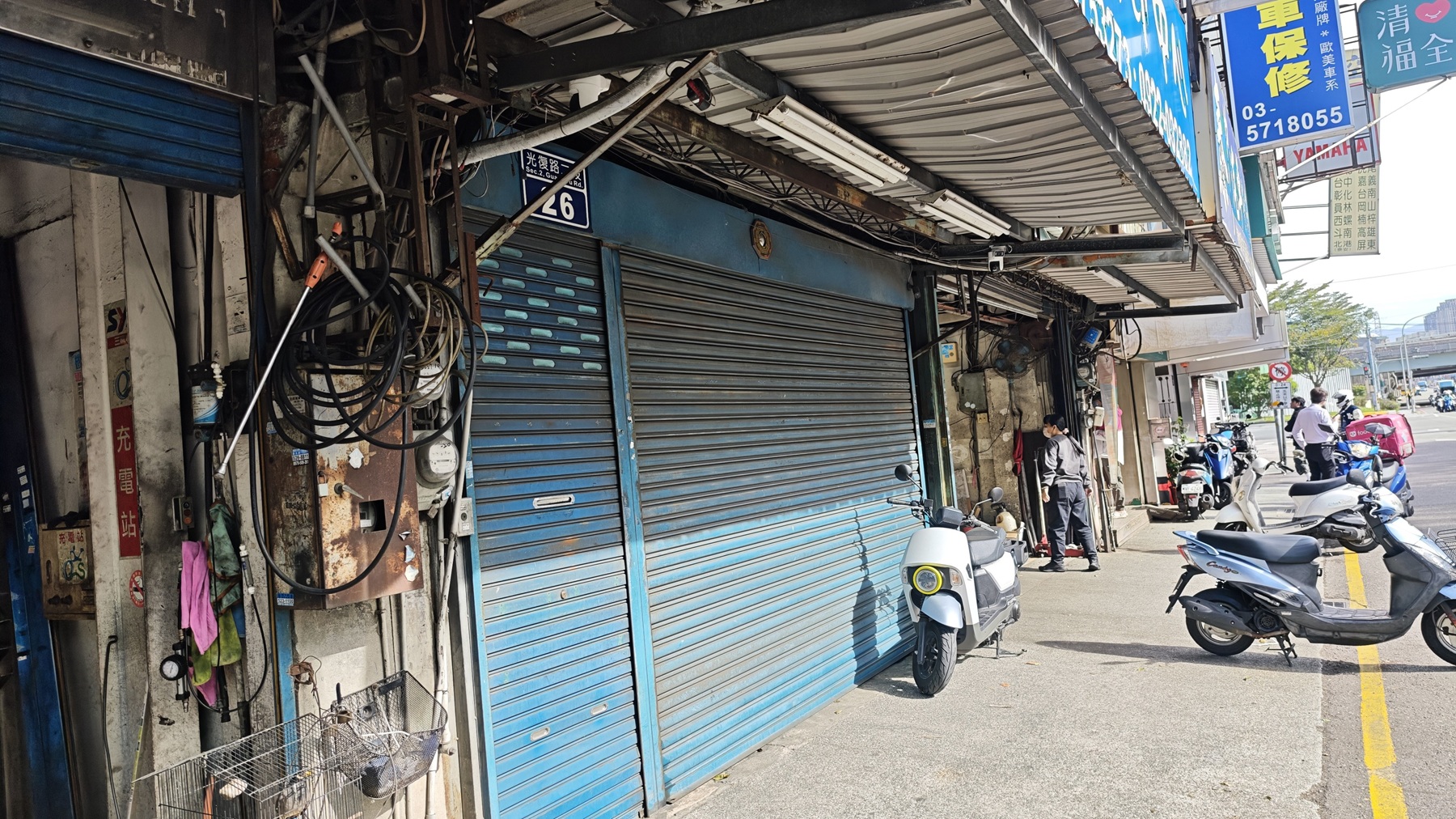
That’s how I felt when I came home to the little town that I used to spend every other summer at growing up.
Except it’s not a little town at all. It was kinda the same but really not.
It’s all modern and high tech, nothing like I remember.
While the town I last saw in 2000 was pretty close to the one I remember from the 70s, 80s, and 90s, this one I just left is almost nothing like I know.
Legit, nothing like the town I last saw in 2000.
Nothing like the home I knew and loved.
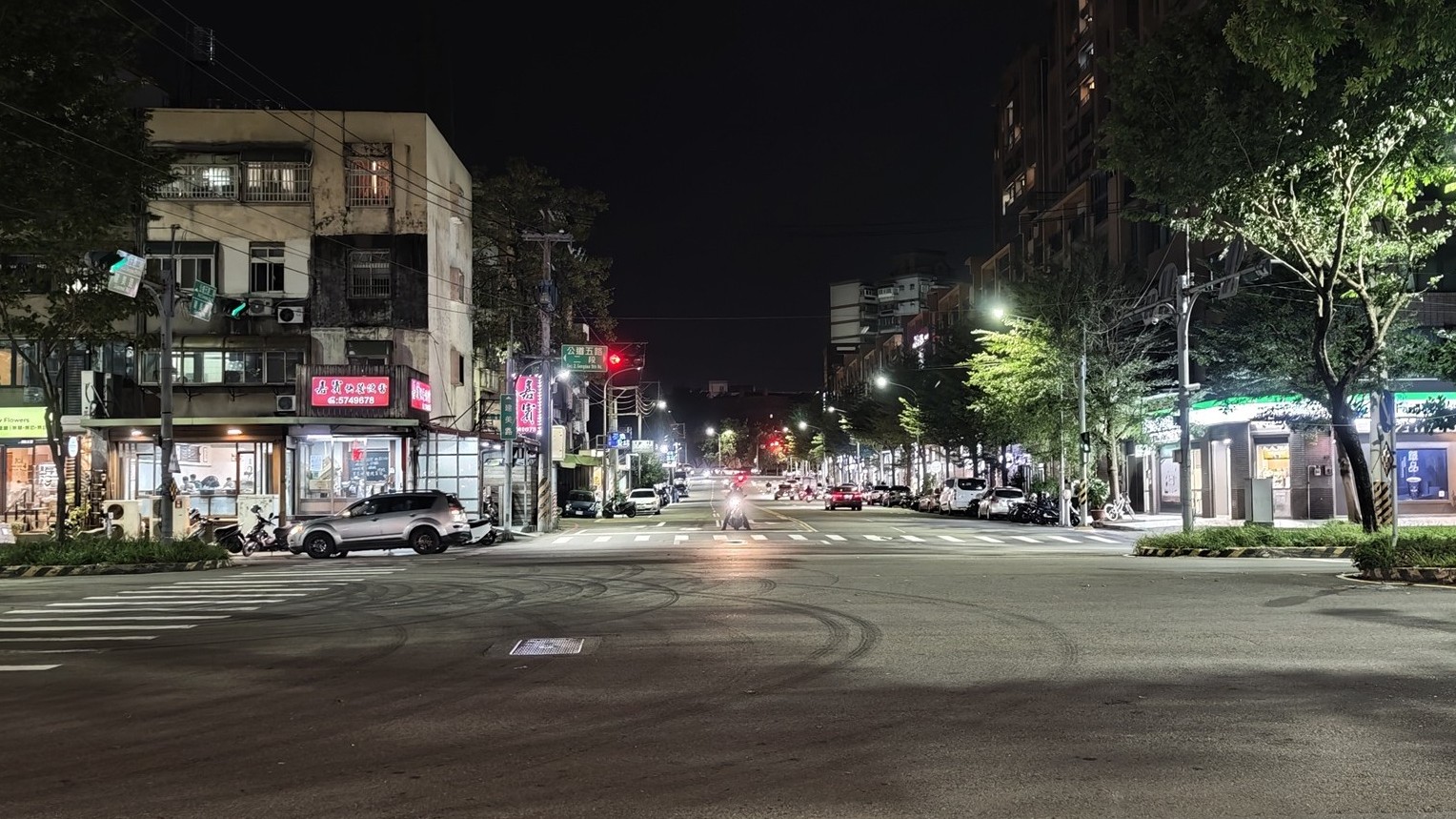
I’m gonna tell you all about my Taiwan trip but I wanted to tell you that, during the whole trip, I saw old ghosts everywhere I went.
The sleepy town I knew so well is a bustling tech hub that’s home to the most powerful and advanced tech manufacturing factory on the planet.
To me, it was just where my grandparents, aunts, uncles, and cousins lived.
Where I slept above a garage that my grandma converted into a tiny little convenience store.
I was the grandson of a shop-owner who lived in town all her life and told of her daughter that lived far away in New York City.
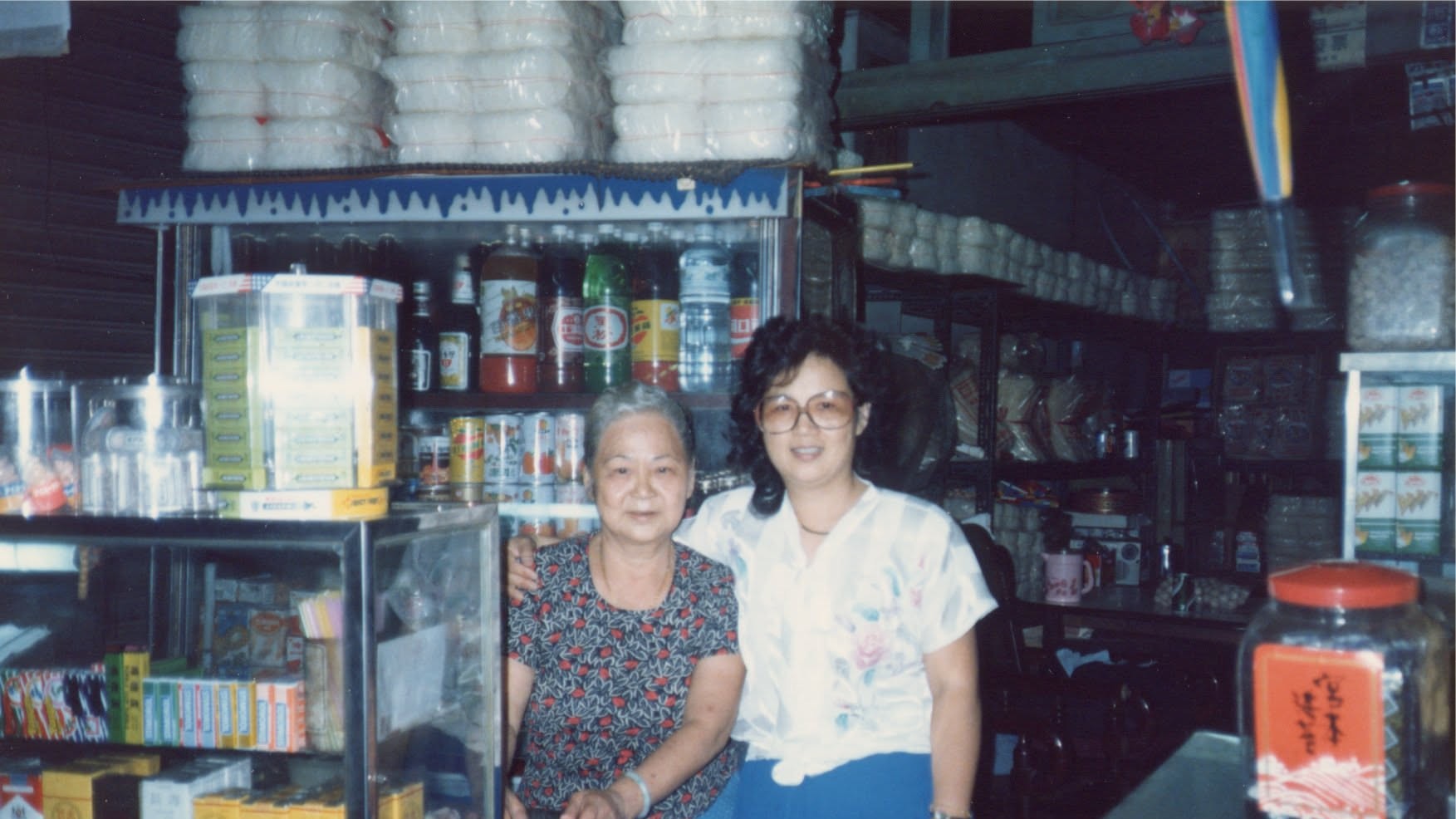
Everywhere I looked, I saw glimpses of people and places I loved so very deeply, long gone that I’ll never see again.
You see that old lady in that picture up there? I loved her more than you can imagine.
For the first time in my life, I’ve come home and she isn’t here to greet me and I can barely type these words, that’s how much I loved – and still love – those two women you see above in that convenience store in a converted garage that no longer exists and never will again.
Just like so many things that I have loved and will always love.
I’m grateful for my son and the Firecracker. Truly.
Their being here with me made bearable the unbearable.
I realize may not look like an old man but I’m certainly not a young man.
And even if I age slowly, those around me do not and that is, in many ways, worse.
Now all the people and things I loved and love still are aging and disappearing.
And, if this trip has made me realize anything, I will soon as well.
Don’t know how much more loss I can bear.
Him: Aren’t you happy to be back?
Me: I am…I just…I am. (nodding) I am.
Location: on a hard wooden chair by a hard wooden table at a train museum
Mood: alone
Music: Someday, I’ll go (Spotify)

Like this post? Tell someone about it by clicking a button below.